
We all know that demand generation became a B2B strategy in the 2010s. The shift, to buying and the longer online research cycles pushed demand generation forward.
Since then the field has grown fast. Companies now use tools to attract, engage and convert buyers.
Today the demand generation tools support thousands of teams. The demand generation platforms are a must, for building a sales pipeline and steady revenue growth.
What Is Demand Generation?
In B2B demand generation works by making people notice and care about what the company offers. The goal of demand generation is to reach an audience, build trust and spark curiosity that later becomes qualified leads. Demand generation is simple.
The mix of efforts starts long before you know who a potential customer is and the mix of efforts continues long after a potential customer becomes a customer. To make demand generation work, sales and marketing must stay in sync. Sales and marketing need visibility into the process so sales and marketing can spot issues, remove friction and keep the pipeline moving.
Best Demand Generation Tools For B2B Sales Growth
Choosing the right tools plays a critical role in B2B demand generation, helping marketing teams streamline campaigns and generate a qualified pipeline. This section lists the platforms and technologies. The list organizes the tools by category. The list lets you see which tools support awareness, which tools support engagement, which tools support lead capture which tools support nurturing and which tools support analytics.
Speed to Lead and Instant Routing
Speed to lead is the time it takes for your team to respond after a new lead comes in. It matters because the longer a lead waits, the less likely they are to convert.
Instant routing sends leads to the right rep right away so you can follow up faster and close more deals.
1. LeadAngel: The Lead Routing Engine Built for B2B Demand Generation
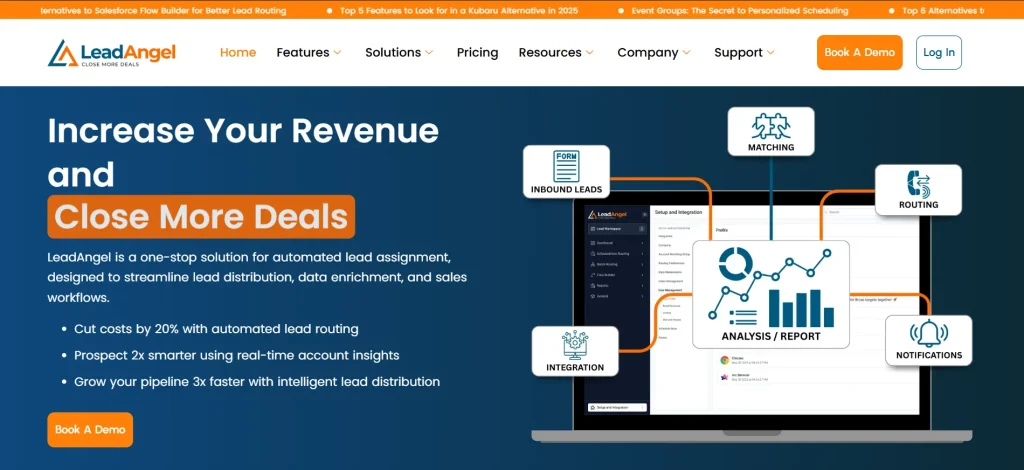
LeadAngel is a lead management and routing platform designed to help B2B teams move faster from form fill to qualified conversation.
It take raw inbound leads. Turn inbound leads into clean, matched and routed opportunities. The sales team can act on clean, matched and routed opportunities away.
It stop using spreadsheets or manual routing. I let LeadAngel match the leads to the accounts. I let LeadAngel assign the leads to the reps using the rules I set.
We see that the real-time handoffs and the ownership logic are supported. It is supposed to support the round-robin distribution. We see that the channel partner workflows are supported.
For demand gen teams, this means you can launch targeted campaigns, track lead response SLAs, and pass sales-ready leads without extra manual work.
You also get built-in support for ABM, partner selling, and competitive plays so you can run smarter campaigns across more segments.
Key Features
- Real-time lead-to-account matching – Connects leads to the correct accounts instantly, reducing context loss.
- Custom routing rules – Supports round robin, territory, product, or team-based lead assignments.
- Sales alerts and SLA tracking keep the team accountable, for follow ups. Sales alerts and SLA tracking also keep response time in check.
- LeadAngel use support, for account-based campaigns. Support for account-based campaigns lets target for ABM and, for the outreach. Account-based campaigns get the audience they need.
- Channel and partner routing – Helps route leads through co-selling or regional partner workflows.
- Data cleanup and deduplication – Ensures clean, reliable lead records before they reach sales.
If your team wants to reduce delays and respond to leads with confidence, LeadAngel gives you the tools to make it happen. Sign up for free or book a demo with LeadAngel today and explore LeadAngel’s Demand Generation Suite to see how you can fix the gaps and get results that actually move the needle!
Marketing Automation for Lead Nurturing
Not every lead is ready to speak with sales immediately. Marketing automation helps you stay in touch until they are.
It sends the right message at the right time, tailored to each person’s action or needs. This keeps your leads warm and moves them closer to becoming customers without manual follow-ups.
2. HubSpot: Automation Hub for Marketers

Source: Hubspot.com
HubSpot is a widely used marketing automation platform that helps teams manage email workflows, nurture sequences and campaigns from one dashboard.
It brings together CRM data, lead engagement, and performance reporting to support end-to-end marketing efforts.
With HubSpot, marketers can build drip campaigns, score leads based on behavior, and keep data in sync with sales.
It supports inbound marketing through email, landing pages, SEO planning, and social media scheduling in one place.
The platform is easy to use and scalable, but pricing can rise quickly. Teams that need advanced customization or larger contact volumes may find it expensive as they grow.
Key Features
- Email workflows and automation – Builds multi-step campaigns based on user behavior and engagement.
- Lead scoring and segmentation – Prioritizes leads and creates targeted nurture paths.
- CRM integration – Syncs marketing activity with sales teams for better handoffs.
- Campaign and performance reporting – Tracks engagement and conversion across channels.
- Landing pages and form tools – Captures and qualifies leads through on-brand web assets.
Keeps marketing efforts organized and improves marketing and sales alignment, though it may require a bigger budget at scale.
SEO and Organic Demand Generation
Organic demand comes from people who find you through search, not ads. SEO tools help you understand what your audience is looking for and how to show up in those searches.
When done right, it brings in steady traffic and high-intent leads over time without paying for every click.
3. Ahrefs: The SEO Research Powerhouse for Lead Growth

Source: Ahrefs.com
Ahrefs is a well-known SEO tool that helps teams uncover keyword opportunities, track rankings, and monitor backlinks.
For demand gen marketers trying to grow organic traffic, it offers the insights needed to plan smarter content and outrank competitors.
You can use Ahrefs to see what your competitors rank for, where they’re getting links from, and what content drives their traffic. It also includes tools for site audits and keyword research so your pages show up when your target buyers are searching.
The platform gives you a lot of data to work with, but it can feel overwhelming at first. Teams without a dedicated SEO resource may find the learning curve steep.
Key Features
- Keyword research and tracking – Finds high-opportunity keywords and monitors rankings.
- Backlink analysis – Tracks links to your site and your competitors.
- Site audit reports – Identifies SEO issues that could impact rankings.
- Content gap analysis – Helps uncover topics your competitors are ranking for but you’re not.
- Traffic and SERP insights – Breaks down top-performing pages and search intent.
Ahrefs is packed with SEO data that can help grow your top-of-funnel traffic, but it may require time and expertise to get the most out of it.
4. Semrush: The Content Planning Engine for Demand Marketers
Source: Semrush.com
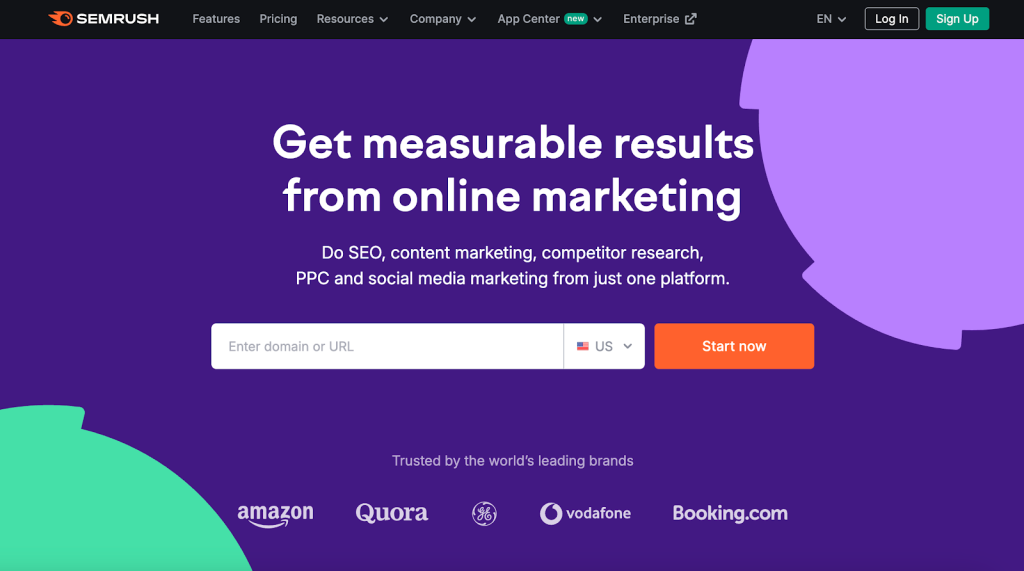
Semrush is an all-in-one SEO and content marketing platform built to help teams plan, publish, and optimize content that drives traffic.
It includes tools for keyword research, technical SEO, competitive analysis, and even social media planning.
It’s handy for teams building scalable demand generation strategies with SEO and content in one place.
You can research content ideas tailored to your target audience, monitor rankings, and get recommendations to improve search visibility.
While Semrush is feature-rich, some users may find the interface cluttered and reporting less flexible than expected.
For teams focused only on SEO, it may be more than you need.
Key Features
- Keyword and topic research – Identifies search trends and content gaps.
- SEO site audits – Flags technical issues and offers tips for fixing them.
- Competitor analysis tools – Tracks how your competitors rank and what they publish.
- Content marketing toolkit – Helps plan and optimize blogs, landing pages, and more.
- Position tracking – Monitors changes in keyword rankings over time.
Semrush gives content and SEO teams everything they need to build and track organic strategies, but it may take time to sort through all the options.
Conversational Capture and Live Qualification
Some of the best leads are the ones already on your site. Conversational tools help you talk to them in real time (through live chat or bots) and qualify them on the spot.
It’s faster than forms and gives your team a chance to book meetings while interest is still high
5. Qualified: The Salesforce-Native Chat Platform That Books Meetings
Source: Qualified.com
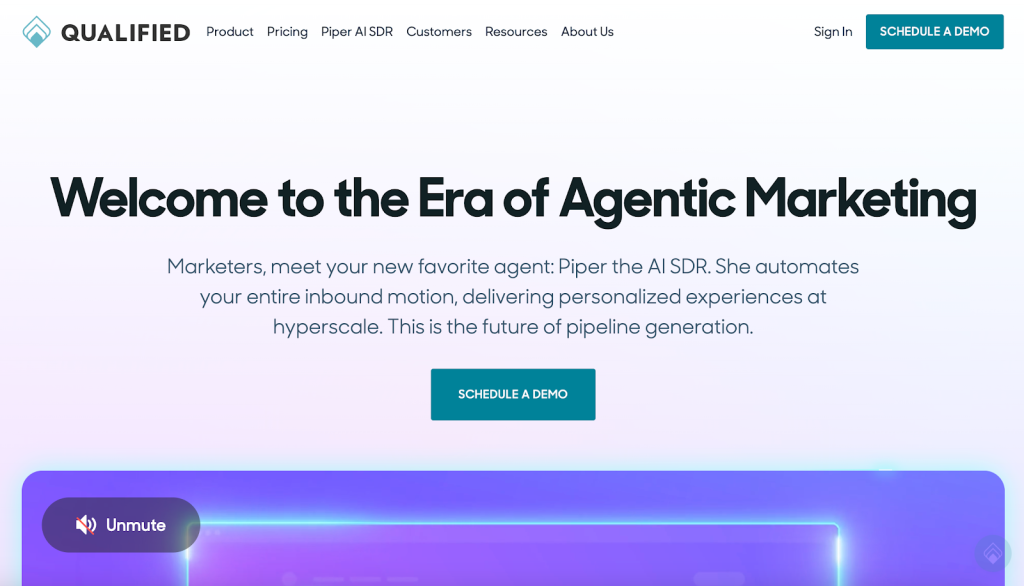
Qualified is a live chat and lead qualification tool built for Salesforce users. It helps revenue teams talk to website visitors in real time, qualify them on the spot, and book meetings without back-and-forth emails.
The platform gives reps visibility into who’s visiting your site, how they got there, and what they’ve viewed.
Based on that behavior, you can automatically route high-intent visitors to the right rep or chatbot. It works well for teams that want to engage fast and filter out unqualified leads early.
That said, it’s tightly integrated with Salesforce, which is great if you use it, but it may not be the best fit for teams on other CRMs.
Key Features
- Live chat and rep routing – Connects high-intent visitors to the right sales rep.
- Salesforce-native setup – Syncs all activity and engagement into your CRM.
- Lead qualification flows – Uses behavior and data to prioritize conversations.
- Meeting booking tools – Lets prospects schedule time instantly.
- Website visitor tracking – Shows which pages were viewed and how visitors arrived.
Qualified helps sales teams catch inbound leads while active but works best for teams already using Salesforce.
6. Salesloft: The Conversational Engagement Platform for ABM Campaigns

Source: Salesloft.com
Salesloft (formerly Drift) is one of the best demand generation tools that uses chatbots and AI to engage website visitors, qualify leads, and book meetings in real time. It’s designed to help marketing and sales teams start conversations earlier in the buyer journey.
Salesloft’s chat flows can be customized based on visitor behavior, location, or firmographic data. It’s also commonly used in ABM strategies to deliver personalized messaging to target accounts. Plus, it integrates with many CRMs and marketing platforms.
However, the pricing can get expensive, especially for teams that want advanced routing, analytics, or support.
Key Features
- Custom chat flows and bots – Engages visitors based on their activity and profile.
- Meeting scheduling – Books demos or discovery calls during the conversation.
- Account-based targeting – Tailors messages for specific companies or buyer personas.
- CRM and MAP integrations – Works with Salesforce, HubSpot, Marketo, and others.
- AI-powered routing – Sends qualified leads to the right team member.
Salesloft helps teams replace static forms with interactive conversations, but budget-conscious teams may find more cost-effective options.
Lead Enrichment and Buyer Insights
Good decisions start with good data. Lead enrichment tools fill in missing details, like company size, job title, or industry, so you know who you’re talking to.
This helps you score leads better, personalize outreach, and focus on the contacts most likely to become customers.
7. Leadfeeder: The Visitor Identification Tool That Uncovers Hidden Prospects

Source: Leadfeeder.com
Leadfeeder is a website visitor intelligence tool that shows you which companies are checking out your site—even if they never fill out a form. It connects IP data with firmographic details and on-site behavior so your team can see which accounts are showing interest and what they’re looking at.
B2B teams use Leadfeeder to spot warm accounts earlier, tailor outreach based on real activity, and support account-based strategies. It’s easy to plug into your sales tools, though the accuracy of company matches can vary depending on the visitor’s network or location.
Key Features
- Company identification – Reveals which businesses visit your site, even anonymously.
- Behavior insights – Tracks pages viewed, visit duration, and repeat activity.
- Lead scoring – Highlights the most engaged companies so reps know who to prioritize.
- Intent signals – Helps sales teams identify accounts that are actively researching.
- CRM integrations – Works well with HubSpot, Salesforce, Pipedrive, and similar platforms.
Leadfeeder helps turn unknown website traffic into qualified, insight-driven opportunities, with routine reviews helping ensure clean and reliable data.
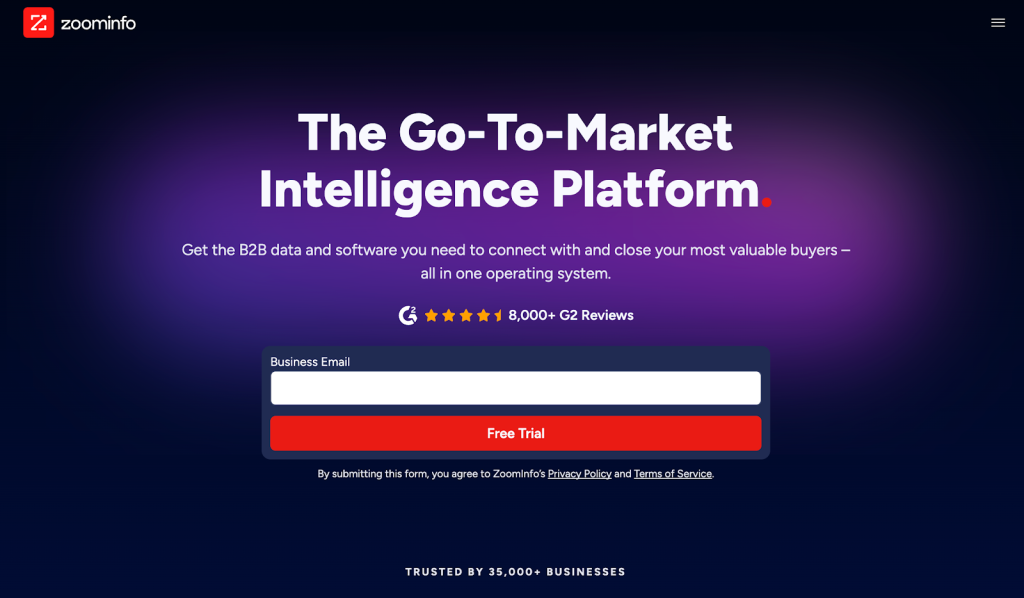
8. ZoomInfo: The Contact Database for Precise Outreach
Source: Zoominfo.com
ZoomInfo is a B2B contact and company database designed for sales and marketing teams that need reliable information to fuel outreach.
It offers access to millions of contacts, firmographic filters, and intent signals to help you find and prioritize the right accounts.
Teams use ZoomInfo to build outbound lists, enrich inbound leads, and focus outreach on high-quality leads. It also includes features for territory planning, alerts, and account mapping.
The tool is useful and packed with data, but pricing is high, and users may run into occasional outdated or incomplete records.
Key Features
- Verified contact database – Provides access to decision-makers across industries.
- Firmographic and technographic filters – Helps build targeted lists quickly.
- Intent data and buying signals – Surfaces accounts showing interest in your solution.
- Lead enrichment and syncing – Adds missing fields to lead records in your CRM.
- Account and territory planning tools – Supports segmentation and outreach strategies.
ZoomInfo helps go-to-market teams reach the right buyers, though it may not fit every team’s budget or data accuracy expectations.
Paid Ad Targeting and Retargeting
Paid ads help you get in front of the right people fast. Targeting tools let you reach specific roles, industries, or companies.
Retargeting brings back people who visited your site but didn’t take action. Together, they keep your brand top of mind and help turn interest into leads. Many teams also use an AI Ad Generator to create and test ad creatives more efficiently.
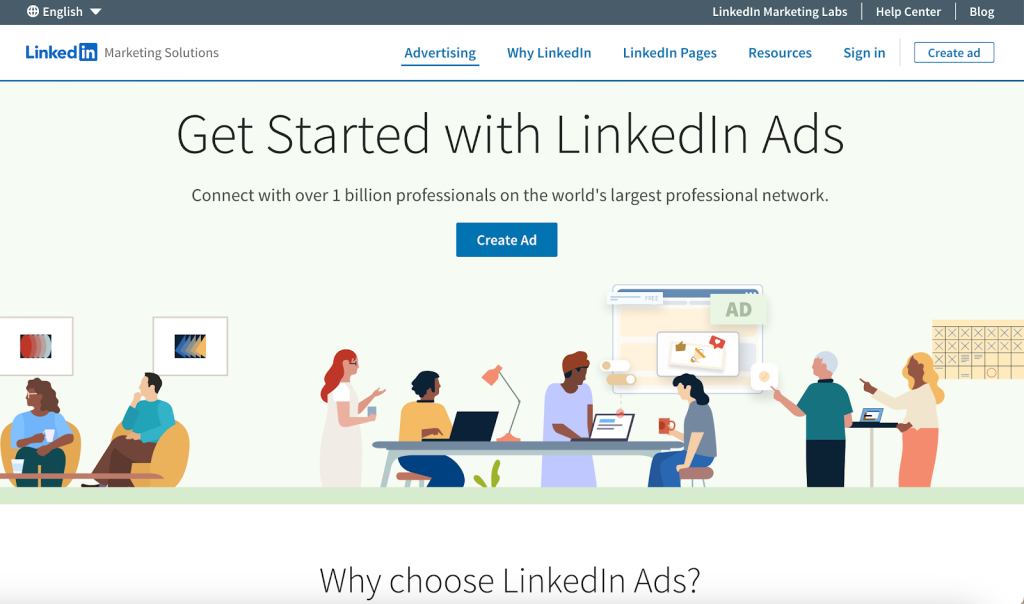
9. LinkedIn Ads: The B2B Audience Magnet for Decision-Maker Reach
Source: Linkedin.com/ads
LinkedIn Ads is a go-to platform for B2B teams looking to reach specific job titles, industries, or company sizes.
It’s built for targeting decision-makers with high buying intent and works well when your ideal customers are active on LinkedIn.
You can run campaigns based on company name, role, seniority, or even matched account lists. This makes it suitable for ABM, lead gen, or brand awareness campaigns aimed at strategic accounts.
While LinkedIn’s targeting is unmatched for B2B, the cost-per-click is high. Smaller teams may burn through budgets quickly if campaigns aren’t tightly controlled.
Key Features
- Job and company targeting – Reaches leads based on title, industry, or company name.
- Lead gen forms – Captures information without taking users off the platform.
- Matched audiences – Uploads contact or account lists for more focused targeting.
- Campaign manager dashboard – Tracks performance across multiple ad formats.
- Sponsored content and message ads – Promotes webinars, demos, or gated content directly.
LinkedIn Ads give you access to high-quality audiences, but running cost-efficient campaigns requires close monitoring and clear segmentation.
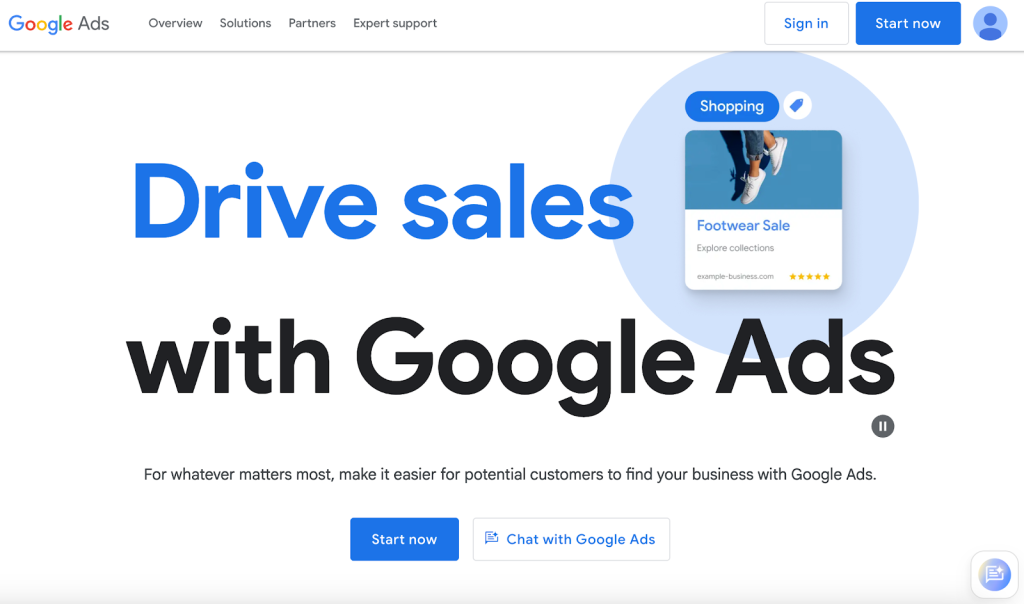
10. Google Ads: The High-Intent Demand Driver Through Search
Source: Ads.google.com
Google Ads is built for capturing buyers while they’re actively searching. It helps demand gen teams target keywords that signal intent and show up at the right time, whether through text ads, display, or YouTube.
You can bid on high-intent keywords related to your product, drive traffic to landing pages, and measure conversions from search to form fill.
Google Ads also supports retargeting campaigns that keep your brand in front of leads who visited but didn’t convert.
The tool can be useful when managed well, but without clear targeting and optimization, ad spend can get wasted fast.
Key Features
- Search and keyword targeting – Shows your ads to people searching for what you offer.
- Retargeting and display ads – Re-engages visitors across the web.
- Ad extensions and custom landing pages – Improves visibility and conversion rates.
- Conversion tracking – Measures what happens after someone clicks.
- Audience targeting options – Filters ads based on behavior, demographics, and more.
Google Ads works well for capturing active demand, but teams need a clear strategy to avoid overspending.
Reporting, Attribution, and Funnel Visibility
You can’t improve what you can’t see. Reporting and attribution tools show you what’s working across your campaigns and where leads are dropping off.
They help you connect actions to outcomes so you can make better decisions and keep your funnel moving forward.
11. Google Analytics: The Free Funnel Insight Tool for All Marketers

Source: Analytics.google.com
Google Analytics is a standard tool for tracking how people find and interact with your website. It helps you see where traffic comes from, what pages people visit, and how they move through your site.
For demand gen teams, it offers a baseline view of what’s working, whether that’s a paid campaign, a blog post, or a landing page.
You can measure goal completions, traffic sources, bounce rates, and time on page to understand how users engage.
That said, the shift to GA4 has made reporting more complex. Custom dashboards and funnels now take more time to build and interpret.
Key Features
- Traffic source tracking – Shows how visitors are getting to your website.
- Goal and conversion setup – Tracks form submissions, signups, or downloads.
- Behavior flow – Visualizes how users move from page to page.
- Real-time data – Monitors current user activity as it happens.
- Integration with ad platforms – Connects with Google Ads and other tools for deeper insights.
Google Analytics gives teams a free, reliable way to monitor engagement, but GA4 may require a learning curve for detailed reporting.
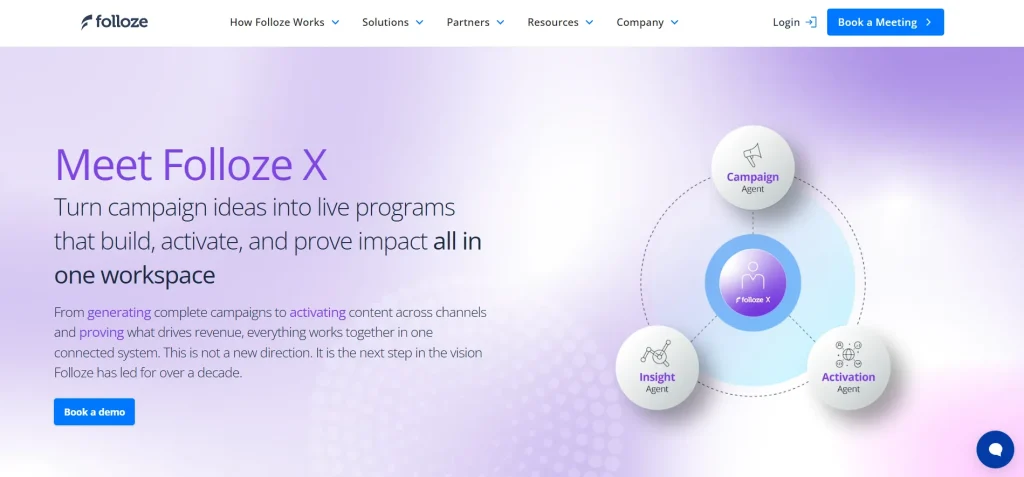
12. Folloze: The AI Orchestration Platform for Campaign Activation and Buyer Experience
go-to-market
Folloze is an AI orchestration platform for B2B demand generation built for go-to-market teams that need to launch campaigns faster and optimize them based on real engagement signals. It helps marketing teams activate personalized campaigns across accounts while improving the overall buyer experience across the funnel.
Instead of relying on disconnected tools, Folloze brings campaign creation, content activation, and revenue visibility into one workspace. Teams can build campaigns in minutes, adapt messaging based on account engagement, and deliver tailored buyer experiences that connect directly to pipeline impact.
It works well for demand generation teams running account based programs who need visibility from engagement to opportunity. While it enhances buyer experience strategies, the platform focuses on orchestrating execution and measurement rather than acting as a standalone buyer experience tool.
Key Features
- AI assisted campaign creation that reduces build time
- Engagement based optimization across accounts
- Personalized content experiences for target segments
- Pipeline and opportunity attribution visibility
- Salesforce, 6sense, Demandbase, Marketo and other powerful integrations
Folloze helps demand generation teams move from campaign setup to measurable pipeline impact without adding operational complexity.
What Does Your Demand Generation Solution Need?
We think that coming up with the demand generation process feels a little like writing an intro. The perfect demand generation process should look like an intro. Getting there is not always straightforward. Some days, demand generation strategies click effortlessly. Other days… well, it feels like backspacing your way through a blank page.
But one thing is clear: a solid demand gen solution needs the right ingredients. You need view across the funnel. You need working between sales and marketing. You need tools that help you grow not tools that only look fancy on a tech slide. The best demand generation software should support content, automation, analytics and lead management without making you jump through hoops.
In short? Your demand gen engine needs clarity, connection, and tech that won’t bail on you when the pipeline gets real.
B2b Demand Generation Best Practices
If we’re calling things what they are, demand generation often gets sidetracked. You’ve built a funnel, launched campaigns, but the pipeline still cracks. The truth? The process matters just as much as the tactics. So here are the top demand generation best practices you ought to follow—no fluff, just results.
- Focus on value first, not just pushing your product. Speak to the real pain point of your ideal customer.
- Build trust early: content, social proof, thought leadership—don’t skip the proof.
- Align your sales and marketing teams so leads don’t get lost in handoffs; this is key in the b2b demand generation process.
- Run always-on campaigns, rather than one-and-done bursts; your next big lead might be hiding in plain sight.
- Keep an open mind about channels—value over platform. Whatever helps you generate pipeline is fair game.
Follow these demand generation best practices and your strategy moves from hopes and guesses to something you can measure and trust.
See How LeadAngel Can Transform Your Lead Management
Curious to experience the power of LeadAngel firsthand? We understand!
We're offering a complimentary trial so you can explore LeadAngel's features at your own pace. Once you request a free trial, we'll schedule a personalized onboarding session to ensure you maximize the value of LeadAngel.
Ready to take your lead management strategy to the next level? Request your LeadAngel trial today!
In addition to exploring the platform, we recommend visiting our LeadAngel Help Center for in-depth guidance. Our dedicated customer support team is also available to answer any questions you may have at sales@leadangel.com.
FAQs
There are so many types of B2B demand generation tools out there, some of them are; social media scheduling tools, Content marketing tools, Web analytics tools, Lead enrichment tools etc.
Businesses utilize demand generation solutions to create interest in their products and services, primarily targeting the B2B market and B2C companies. For example: Google Cloud and AWS, SaaS providers, and even B2C brands like Seiko use them mostly.
The demand generation process usually starts with figuring out who you want to reach. Then you create helpful content that speaks to them. Once they visit your site or engage with your campaign, you capture their information. After that, you check if they’re a good fit and pass them to sales. The last step is measuring what worked so you can do more of it next time.
The four main stages include awareness, where someone first learns about your business. Then comes interest, when they want to learn more. Engagement follows as they interact with your content or site. The final stage is conversion, when they take action, like signing up, booking a demo, or making a purchase.

