
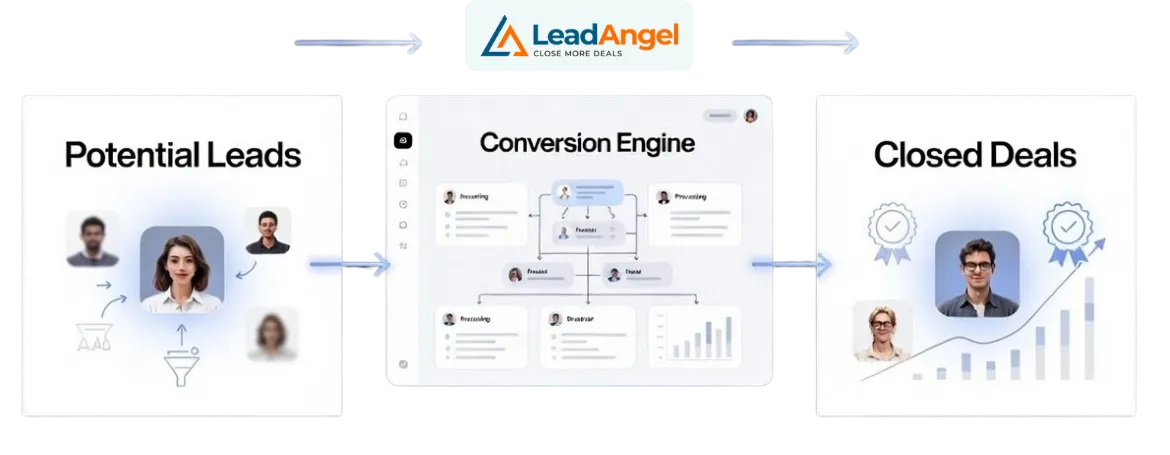
We don’t just create potential; we convert it into actual clients. Your demand generation efforts find their true power when backed by effective conversion strategies. At LeadAngel, we make this happen every single day!
Your hard-earned dollars deserve results, and that’s where LeadAngel steps in. Turning prospects into clients is the real game-changer.
Trusted by industry leaders:






1
Manual lead assignment slows response times, creates routing bottlenecks, and prevents sales teams from engaging prospects when interest is highest.
Different business units, branches, or teams operate with no shared lead data or strategy. Disconnected entities create confusion, duplicated effort, and missed revenue opportunities.
3
Partner and channel leads often get delayed in manual handoff processes, causing follow-up gaps and lost revenue opportunities.
4
Corrupted, duplicate, and stale data pollute the entire pipeline. Every decision built on bad data, from forecasting to outreach, weakens conversion performance.
5
ABM campaigns fall apart when high-value accounts are routed incorrectly, scored poorly, or treated like generic inbound leads.
6
Inbound leads sit uncontacted for hours or days due to manual review and assignment delays. By the time a rep reaches out, the prospect has already moved on to a faster competitor.
Rocket up your success with LeadAngel for Demand Generation –setting the gold standard for lead management software. Unleash a revolution in your marketing strategy!

Manual or outdated lead management processes prevent you from running specific account-based campaigns with ease. Should you choose to run them, the amount of time, effort and resources required from your team may not make sense in comparison to the expected outcomes. Now imagine that instead of doing this manually, you could:
Marketing Operations teams are not always in sync with leads that are actively part of the sales pipeline. This can lead to poor sales enablement. With LeadAngel, you are able to eradicate this gap by providing real-time visibility across Marketing Operations and Sales functions. More importantly, you can even prioritise leads based on organizational/team goals. Nurturing the lead is essential, and it is in these times that you:
Your own database may not be utilised to its fullest potential today. Striking while the iron is hot is essential if you want to close more leads than the competition. In fact, in situations where the competition is either acquired, or is featured in news/digital platforms for any reason, your organization may need to rapidly pivot its sales approach. Now imagine being able to identify contacts based on an account list. By uploading a list of companies that your competition targets and matching them against your database on LeadAngel, you can help your sales team close their leads a lot faster. But that’s not all. With LeadAngel, you can:
Selling through external channels or partners requires a different strategic approach. While this may make sense from a cost perspective for you, there are ways in which this process can be made better with LeadAngel:
Get started
Grow sales and stay ahead in the competitive market by being among the first to benefit from our game-changing solutions.
Quick Summary Data deduplication software helps businesses identify, merge, and prevent duplicate records across databases and CRMs. This blog explains
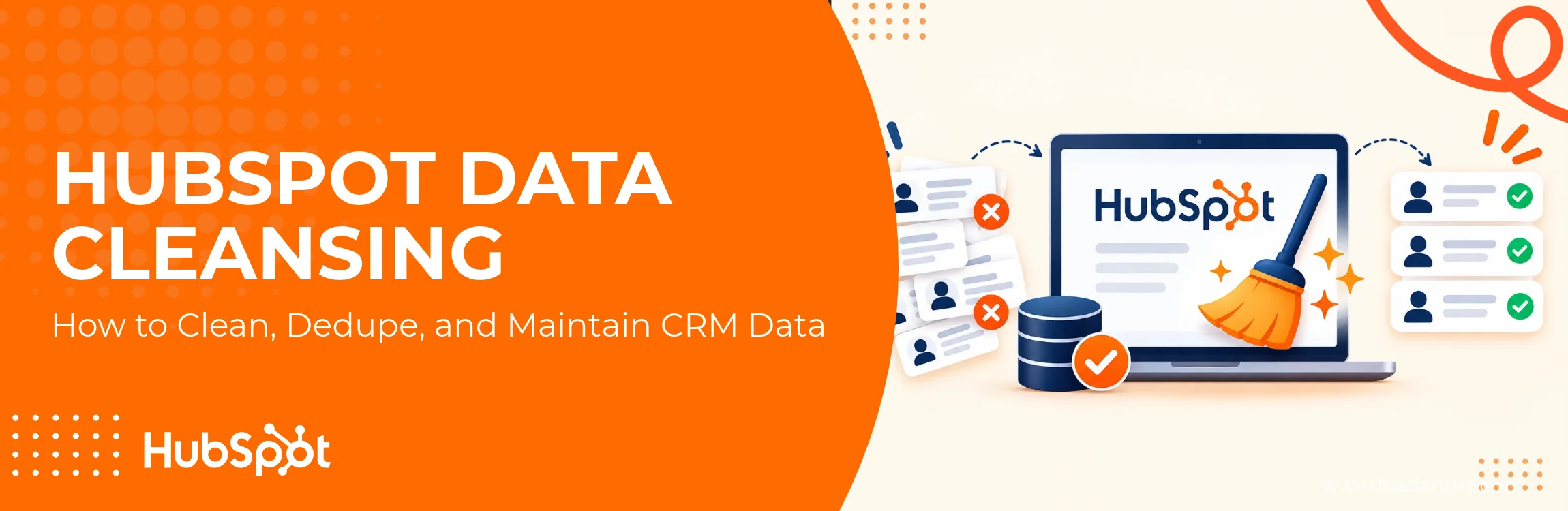
Short Answer HubSpot data cleansing is the process of finding and fixing duplicate, incomplete, outdated, and inconsistently formatted records in

Quick Summary The best Default alternative depends on which part of your inbound motion is actually broken. If misrouted or

What You Will Learn Salesforce lead assignment rules decide which user or queue owns a lead. The rule is the
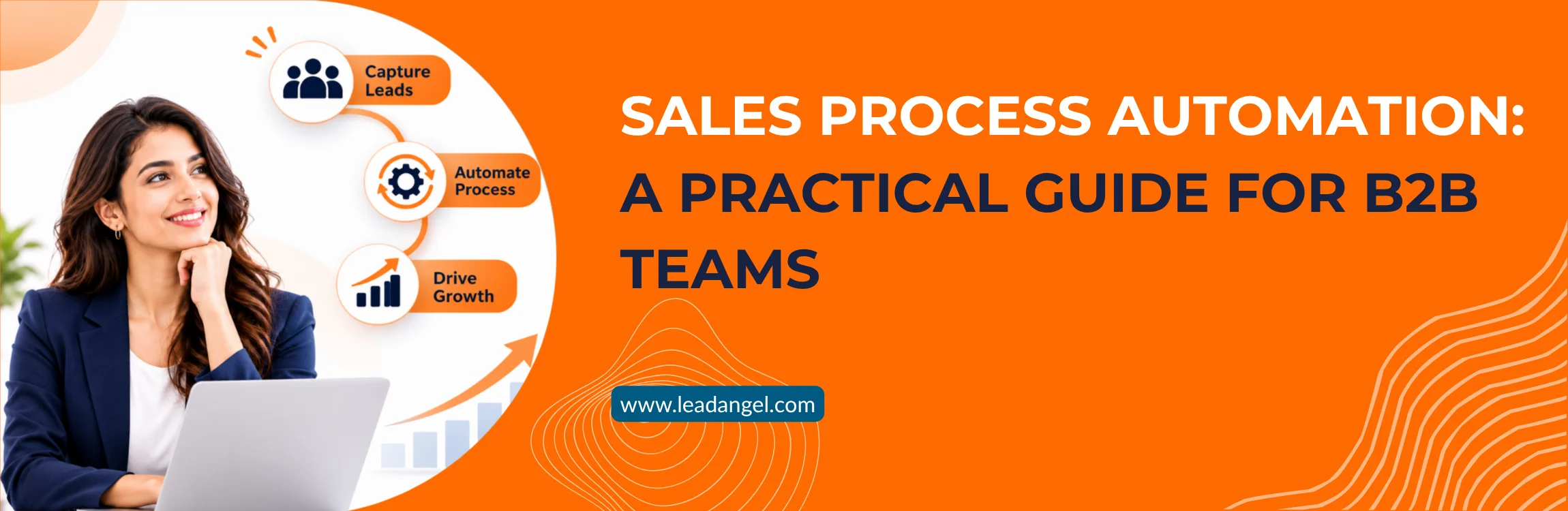
Key Takeaways According to Salesforce’s State of Sales, 6th edition (survey fielded March–April 2024), sales representatives spend 28% of their

The most effective demand generation strategies focus on creating value before capturing leads. Content marketing, SEO, webinars, and LinkedIn distribution help educate buyers and build trust over time. Paid campaigns and retargeting can then amplify reach and bring high-intent traffic back into your funnel.
Strong demand gen also relies on tight alignment between marketing and sales. Using intent data, personalization, and account-based marketing (ABM) helps target the right audience. Consistent messaging across channels and fast follow-up ensures that interest turns into pipeline.
Demand generation is about creating awareness and interest in your product or category. It focuses on educating potential buyers and building trust before they are ready to convert. This includes content, campaigns, and brand-building efforts that drive long-term engagement.
Lead generation, on the other hand, is about capturing that interest. It involves collecting contact details through forms, demos, or gated content. In simple terms, demand generation creates demand, while lead generation converts it into measurable leads.
In many companies, leads are not handled efficiently after they are captured. Some leads remain unassigned, while others are routed to the wrong sales reps. Duplicate records and poor data quality make it harder for teams to trust the system and act quickly.
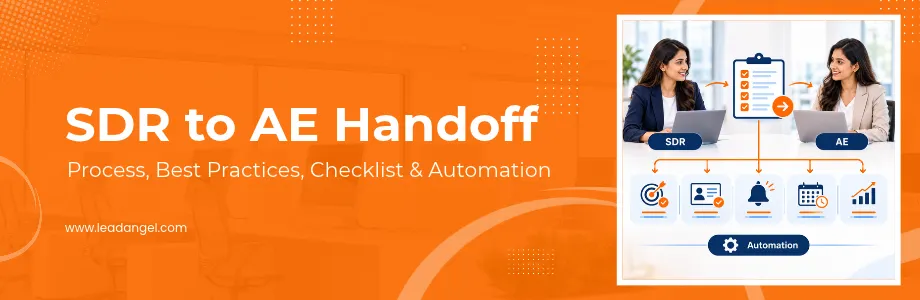
Another common issue is the disconnect between marketing and sales. Leads may not be qualified properly before handoff, or follow-ups may be delayed. This results in missed opportunities, slower response times, and lower conversion rates.
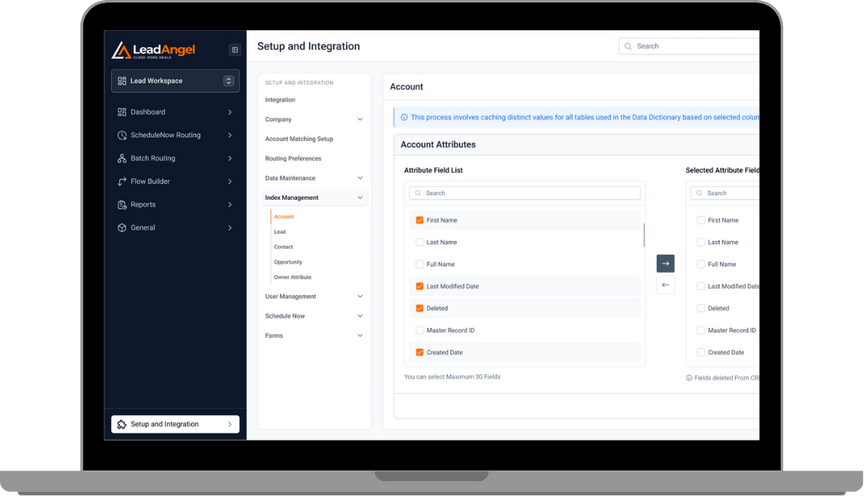
LeadAngel helps teams manage and route leads more efficiently across the funnel. It automates lead assignment based on rules like territory, account ownership, and availability. This ensures that every lead reaches the right sales rep without delay.
It also improves data quality through deduplication and lead-to-account matching. By connecting marketing and sales data, teams get better visibility and control over their pipeline. This reduces lead leakage and helps turn demand into real revenue opportunities.