
Sales today isn’t just about reaching out; it’s about reaching the right prospects at the right time with the right context. That’s exactly where sales engagement software becomes essential.
In this guide, you’ll learn:
- What is sales engagement software
- How sales engagement platforms work in CRM
- The best way to route leads before engagement starts
- How lead routing improves performance
- 15 of the best sales engagement platforms in 2026
- Key features and best practices
Let’s dive in.

What is Sales Engagement Software?
Sales engagement software is a set of tools that helps sales teams connect with prospects and customers. It brings emails, calls, and social outreach into one place. This makes everything more organized and consistent. With automation, follow-ups happen on time. Conversations keep moving without extra effort. If you simply say it, it makes every interaction more personal and timely for the sales team.
Top Features of Sales Engagement Platforms
When evaluating the best sales engagement platforms of 2026, focus on capabilities that actually move the needle. The right features help your team work faster, stay consistent, and connect in a more meaningful way.
1. Multi-channel engagement
Today’s sales engagement platforms bring every communication channel into one space. Think email, calls, LinkedIn, and SMS working together.
Your reps don’t have to jump between tabs all day. Everything flows from one place. This makes outreach smoother and ensures no prospect gets overlooked.
2. Sales engagement automation
Sales engagement automation takes the heavy lifting off your team’s plate.
Instead of manually sending every email or setting reminders, workflows handle it for you. Follow-ups go out on time, every time. This keeps momentum going without burning out your reps.
3. Personalization at scale
Strong B2B sales engagement software helps you tailor messages without slowing things down.
Outreach can adjust based on behavior, role, or past interactions. So instead of generic messages, prospects get something that actually feels relevant. That’s what drives replies.
4. CRM integration
A solid sales engagement solution should work hand-in-hand with your CRM.
All your data stays connected—contacts, activities, deal updates. Nothing gets lost or outdated. Your team always has the full picture before reaching out.
5. Analytics & reporting
You can’t improve what you can’t see. That’s where reporting comes in.
Good sales engagement tools show what’s working and what’s not. You can track opens, replies, and conversions in real time. This helps you fine-tune your approach continuously.
6. AI-driven insights
AI is quietly changing how teams approach outreach.
It studies patterns, suggests next steps, and highlights what might work best. From timing recommendations to message tweaks, it gives reps an extra edge without extra effort.
7. Cadence and sequencing
Cadence is the backbone of any https://www.linkedin.com/feed/update/urn:li:activity:7444279488638607360 strong sales engagement process.
It maps out when and how you reach out. For example, an email on day one, a call a few days later, then a LinkedIn touch.
This structured rhythm keeps follow-ups consistent. It also makes sure no lead slips through the cracks. A well-planned cadence often makes the difference between silence and a reply.
How Does Sales Engagement Software Work in CRM?
Modern sales engagement platforms with CRM and lead routing integration go beyond basic outreach.
Here’s how they typically function inside a CRM:
- Lead capture & enrichment: Data flows into CRM from forms, ads, or integrations.
- Lead routing (critical step): Tools like LeadAngel assign leads based on rules like territory, account ownership, or intent.
- Segmentation & prioritization: Leads are grouped based on fit, score, or behavior.
- Automated engagement sequences: Emails, calls, and tasks are triggered automatically.
- Tracking & analytics: Engagement is tracked to refine strategy and messaging.
👉 Without proper routing, even the best sales engagement automation platform will fail to deliver results.
Best Way to Route Leads Before Sales Engagement Starts
Before outreach even begins, routing needs to be sharp and intentional. A small gap here can slow everything that follows.
Assign based on territory and account ownership
Leads should land with reps who already understand the region or account. This builds context from the first touch. It also avoids awkward handoffs later.
Use real-time routing rules
Speed matters more than ever. Real-time routing sends leads instantly to the right owner. There will be no waiting for leads. High chances of no missed opportunities.
Include round-robin and weighted distribution
Balance is key. Round-robin keeps things fair, while weighted distribution adjusts for experience or workload. This keeps performance steady across the team.
Enrich data before assignment
Raw data is rarely enough. Enriching lead details adds clarity, like industry, role, and intent. Better data leads to better conversations from the start.
Avoid duplicate or conflicting ownership
Nothing slows momentum like confusion. One lead, one clear owner. Clean ownership removes overlap and keeps accountability tight.
The Outcome
When routing is done right, engagement feels natural and timely. The right rep connects with the right lead, and conversion becomes a lot more predictable.
How Lead Routing Improves Sales Engagement Performance
Lead routing is not just a backend activity. It directly influences how quickly and effectively sales teams engage with prospects.
Faster response time → Higher conversion rates
Leads are assigned in real time instead of sitting unassigned. This allows sales reps to respond while the prospect’s interest is still active.
A quicker response increases the likelihood of getting a reply and moving the conversation forward.
Better rep-to-lead matching → More relevant conversations
Leads are matched with the most suitable reps based on territory, expertise, or account ownership.
This creates more meaningful conversations because the rep already understands the prospect’s context and needs.
Consistent follow-ups → Reduced lead leakage
Each lead is assigned to a clearly defined owner. This ensures that follow-ups happen as planned and without delays.
As a result, fewer opportunities are lost due to missed or inconsistent communication.
Improved pipeline quality → Higher deal velocity
When leads are routed correctly, they enter the pipeline with the right priority and ownership.
Sales teams can focus on progressing deals instead of fixing assignment issues. This leads to faster movement through the pipeline and more efficient deal closures.
What’s Actually Happening Here
Accurate routing creates a strong starting point for engagement. It ensures that every interaction is timely, relevant, and aligned with the prospect’s context.
This is what makes the overall sales engagement strategy more structured and effective from the very first step. For those strategies, you need software that manages everything.
15 Best Sales Engagement Software in 2026
First, look at the table that gives a concise overview of all tools:
| Software Name | Best For | Pricing | Use Cases |
|---|---|---|---|
| Outreach | Enterprise teams | Custom pricing (quote-based) | Large-scale outbound, pipeline management, multi-channel engagement |
| Salesloft | Workflow-driven engagement | Custom pricing (demo required) | Structured cadences, sales execution, pipeline visibility |
| LeadAngel | Pre-engagement routing & data accuracy | Tiered + custom pricing (based on modules) | Lead routing, account matching, data enrichment before engagement |
| Gong Engage | AI-powered insights | Custom pricing (enterprise quote) | Conversation intelligence, sales coaching, deal insights |
| Apollo.io | All-in-one platform | Free plan + tiered paid plans | Prospecting + outreach, contact database, email automation |
| Mixmax | Email-focused teams | Tiered pricing plans | Email outreach, scheduling, workflow automation |
| VanillaSoft | Inside sales teams | Custom pricing | Queue-based lead management, call-heavy workflows |
| Lemlist | Personalization-focused outreach | Tiered pricing (monthly plans available) | Cold email personalization, deliverability improvement |
| HubSpot Sales Hub | CRM-native engagement | Free plan + tiered pricing (Starter to Enterprise) | CRM + engagement, inbound and outbound sales |
| Salesforce Sales Engagement | Salesforce users | Add-on pricing (requires Salesforce CRM) | CRM-native engagement, enterprise workflows |
| Yesware | Small teams | Tiered pricing (monthly/annual plans) | Email tracking, templates, lightweight automation |
| Mailshake | Cold outreach campaigns | Tiered pricing plans | Outbound email campaigns, lead generation |
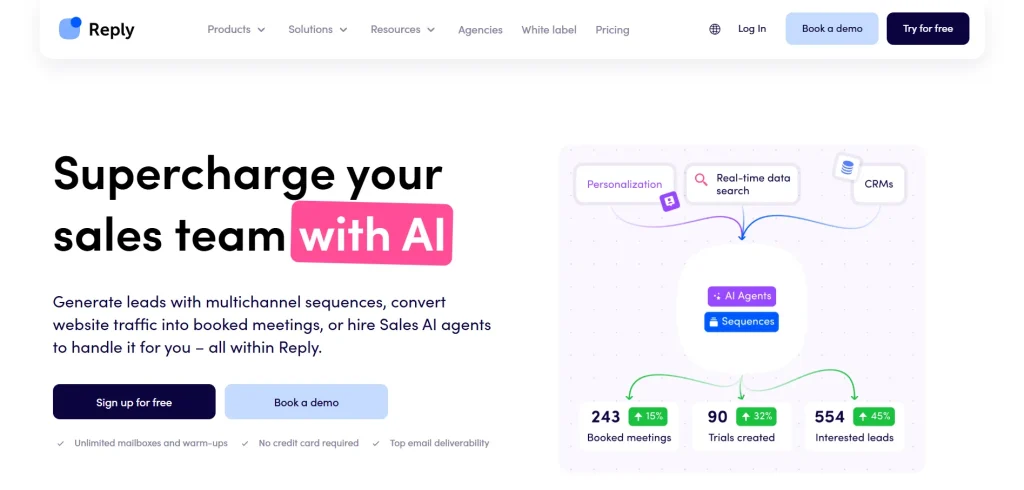
| Reply.io | Multichannel outreach | Tiered pricing plans | Email, calls, social outreach automation |
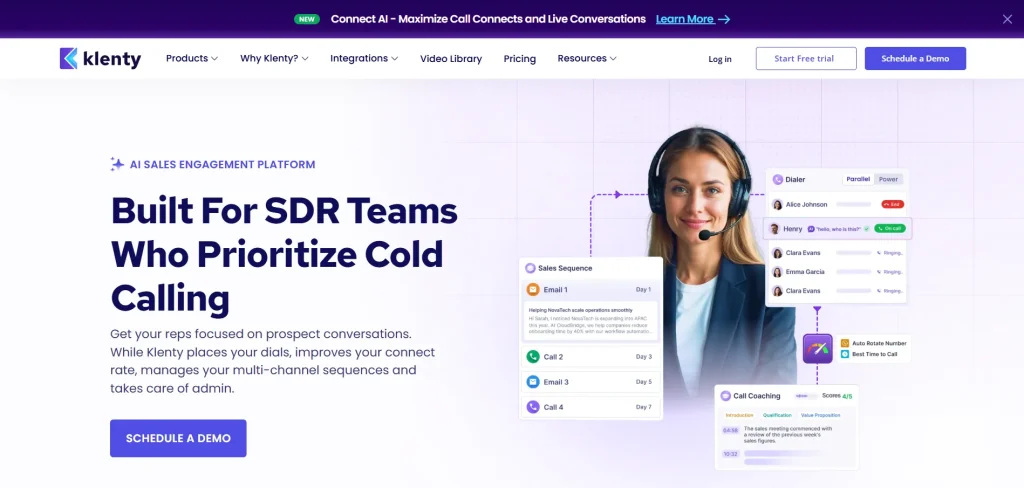
| Klenty | Outbound scaling teams | Tiered pricing plans | Cadence automation, outbound engagement |
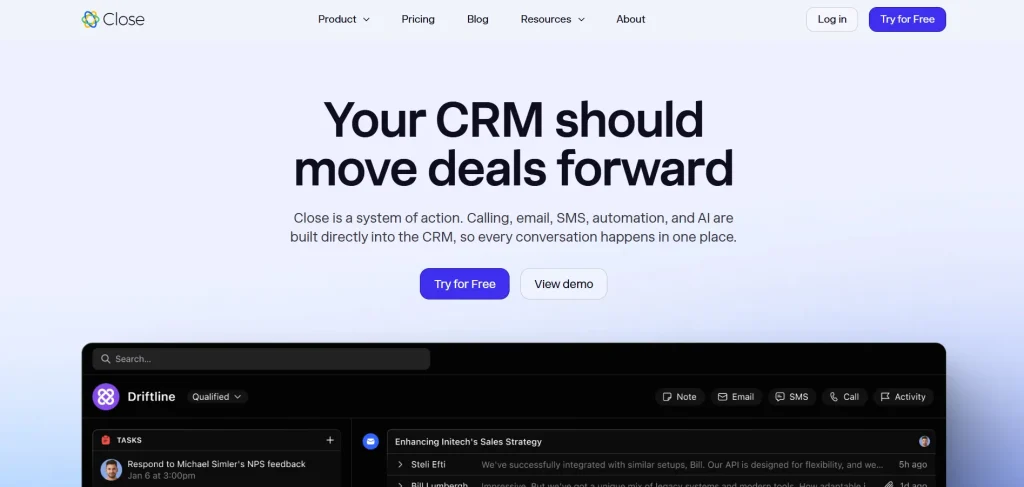
| Close | Fast-moving sales teams | Tiered pricing (subscription-based) | Calling, email automation, pipeline management |
These are not just tools for outreach. Each platform plays a different role in the sales engagement process, from pre-engagement routing to multi-channel execution and analytics.
1. Outreach
Best for enterprise-scale engagement
Outreach is designed for large sales teams that need structured and consistent engagement across complex pipelines. It brings automation, analytics, and communication into one system to improve visibility and execution.
Features
- Advanced multi-channel sequencing (email, calls, LinkedIn)
- Workflow automation for consistent outreach
- AI-driven insights for pipeline and deal tracking
Pricing
Outreach does not list fixed pricing on its website.
It follows a custom, per-user annual pricing model based on team size and features. Advanced capabilities like AI and forecasting are usually part of higher-tier plans.
Pros
- Strong for large teams and scaling
- Advanced analytics and reporting
Cons
- Pricing is not transparent
- Setup and onboarding require time
2. Salesloft
Best for workflow-driven engagement
Salesloft brings structure to daily sales activities. It helps teams stay consistent by guiding reps on what to do next, instead of leaving engagement unplanned.
Features
- Cadence and sequence workflows to organize outreach
- AI-based prioritization to focus on high-impact actions
- Conversation intelligence for coaching and insights
- Pipeline visibility linked with engagement activity
- Strong CRM sync for real-time data alignment
Pricing
Here’s how pricing actually works:
- Pricing is shared after a demo or consultation
- Plans are typically structured into tiers like Advanced and Premier
- Add-ons such as dialer or forecasting may come at an additional cost
- Annual contracts are commonly required
This approach allows flexibility, but it also means costs vary significantly depending on usage and configuration.
Pros
- Strong workflow structure that brings consistency to outreach
- AI-driven prioritization reduces manual effort
- Deep visibility into pipeline and engagement performance
Cons
- Pricing lacks transparency and requires sales interaction
- Setup and configuration can take time for new teams
3. LeadAngel
Best for pre-engagement optimization and lead routing
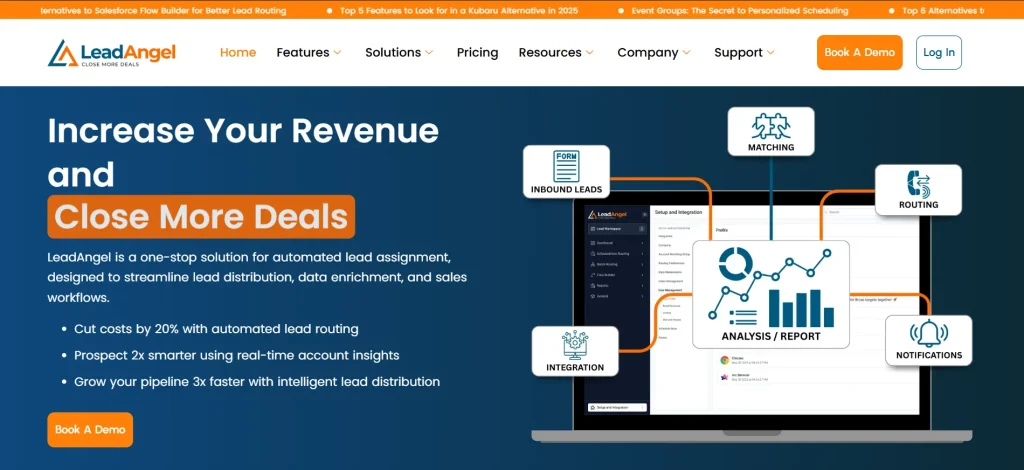
Before any email is sent or call is made, routing decides everything. LeadAngel strengthens the foundation of sales engagement automation by ensuring every lead is clean, enriched, and assigned correctly.
Instead of fixing problems later, it prevents them upfront. The right rep gets the right lead with full context, which makes every interaction more relevant and timely.
Features
- Advanced lead routing and distribution
- Real-time assignment rules
- Data enrichment before routing
- Duplicate management and account matching
Pricing
Custom pricing based on usage
Pros & Cons
Pros: Improves engagement quality before it starts, seamless CRM integration
Cons: Not a direct outreach tool, works best alongside engagement platforms
4. Gong Engage
Best for AI-driven engagement insights
Gong turns conversations into actionable insights. It helps teams refine messaging using real data.
Features
- Conversation intelligence
- AI recommendations
- Deal and pipeline insights
Pricing
Custom pricing (enterprise-focused)
Pros & Cons
Pros: Deep insights, improves rep performance
Cons: Higher cost, requires data volume
5. Apollo.io
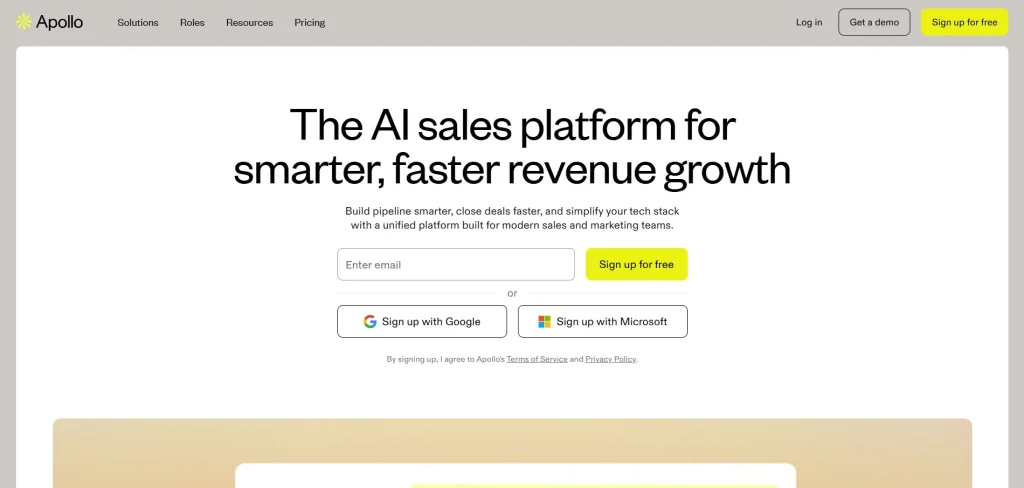
Best all-in-one platform
Apollo combines prospecting data with engagement tools, making it a strong B2B sales engagement platform.
Features
- Large B2B database
- Email sequencing and automation
- Contact enrichment
Pricing
Starts at $49/user/month with credit-based usage
Pros & Cons
Pros: Affordable, data + engagement in one
Cons: Credit limits can increase cost
6. Mixmax
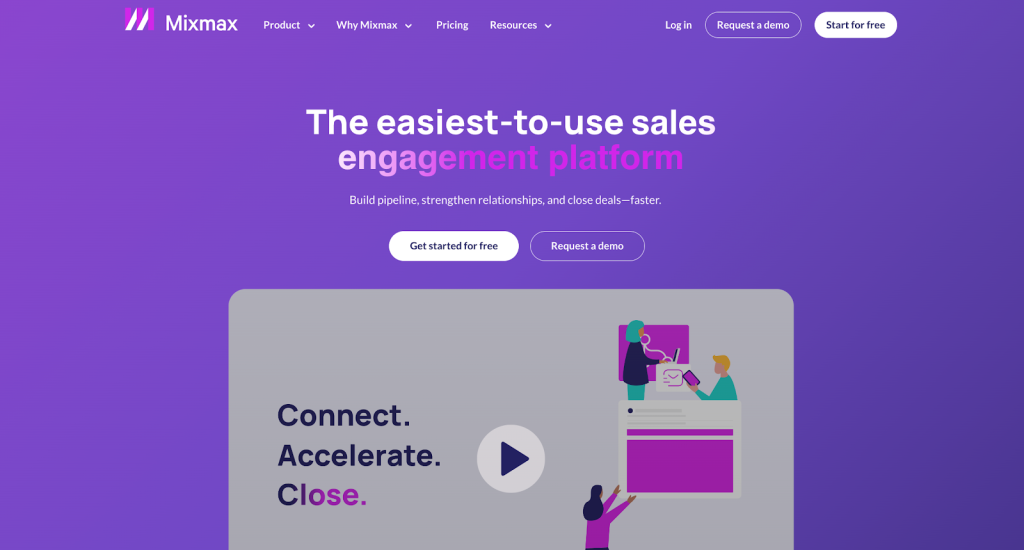
Best for Gmail-based workflows
Mixmax works directly inside inboxes, making it easy for teams focused on email engagement.
Features
- Email tracking and templates
- Workflow automation
- Meeting scheduling
Pricing
Mid-range pricing (varies by plan, typically SMB-friendly)
Pros & Cons
Pros: Easy setup, strong email focus
Cons: Limited multi-channel depth
7. VanillaSoft
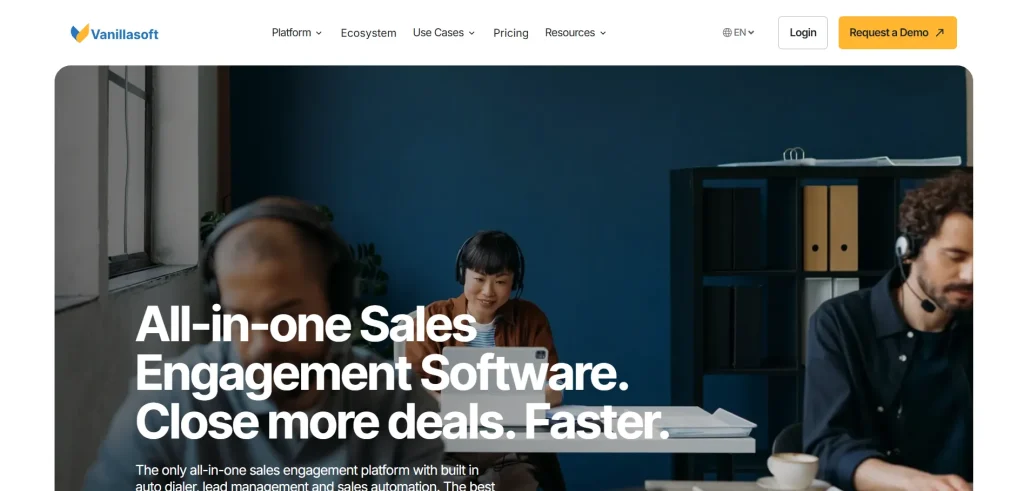
Best for inside sales execution
VanillaSoft uses queue-based workflows to prioritize leads and actions.
Features
- Lead queues and prioritization
- Call-focused workflows
- Sales tracking
Pricing
Custom pricing
Pros & Cons
Pros: Strong for call-heavy teams
Cons: Less modern interface
8. Lemlist
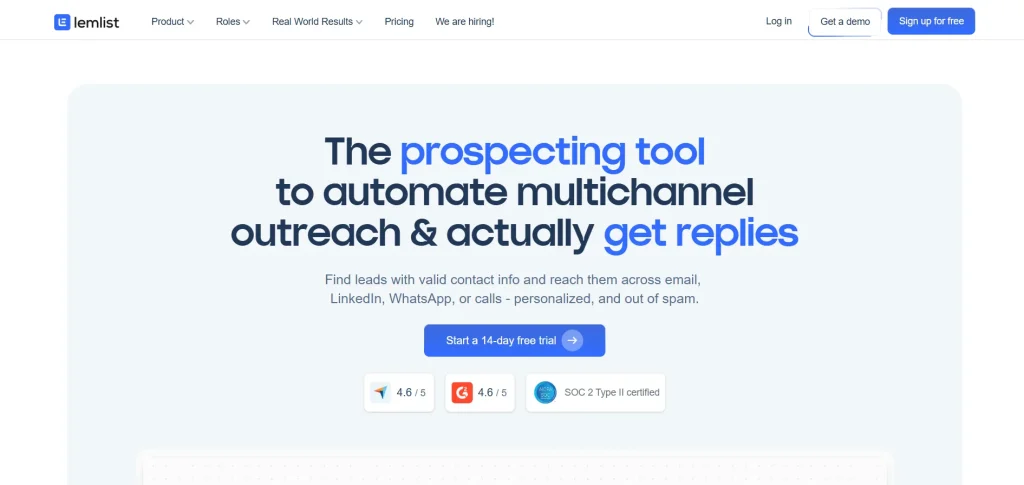
Best for creative personalization
Lemlist helps outreach stand out with highly customized messaging.
Features
- Personalized email campaigns
- Deliverability tools
- Multi-channel outreach
Pricing
Starts at $69/user/month
Pros & Cons
Pros: High personalization, strong deliverability
Cons: Limited CRM depth
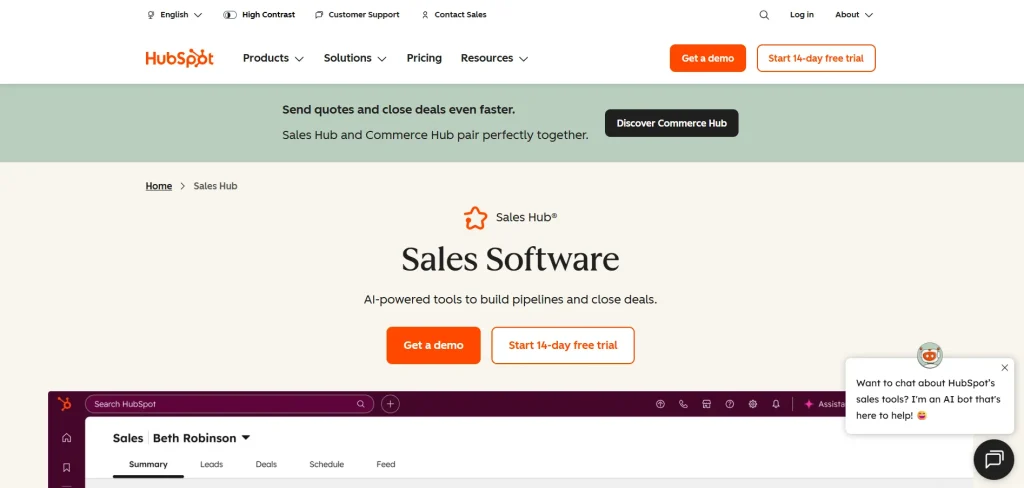
9. HubSpot Sales Hub
Best for CRM-native engagement
HubSpot combines CRM and engagement in one ecosystem.
Features
- Built-in CRM integration
- Email tracking and automation
- Reporting and forecasting
Pricing
Starts at $20/user/month, goes up to $150+ for advanced tiers
Pros & Cons
Pros: Easy to use, all-in-one system
Cons: Advanced features get expensive
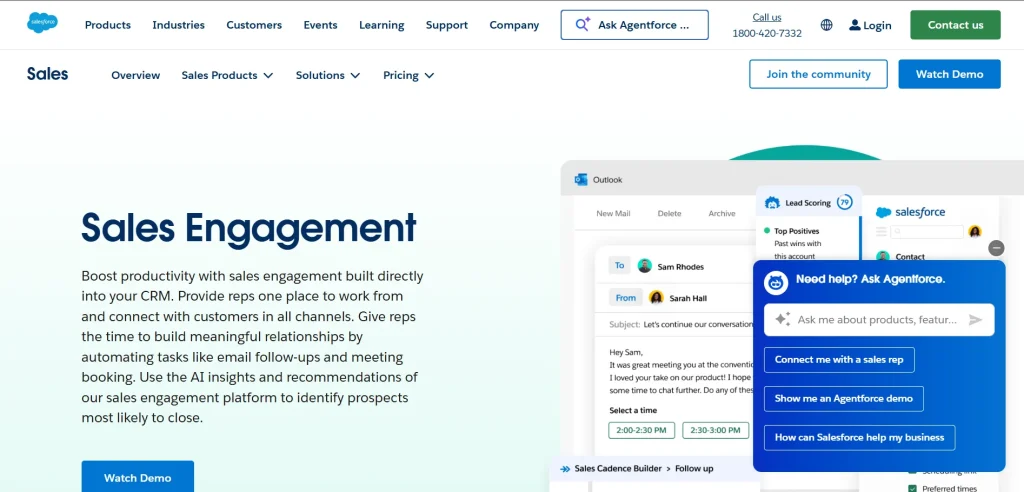
10. Salesforce Sales Engagement
Best for Salesforce ecosystem
Designed for teams already using Salesforce CRM.
Features
- Native CRM workflows
- Task automation
- Activity tracking
Pricing
Premium enterprise pricing (custom quotes)
Pros & Cons
Pros: Deep CRM integration
Cons: High cost, complex setup
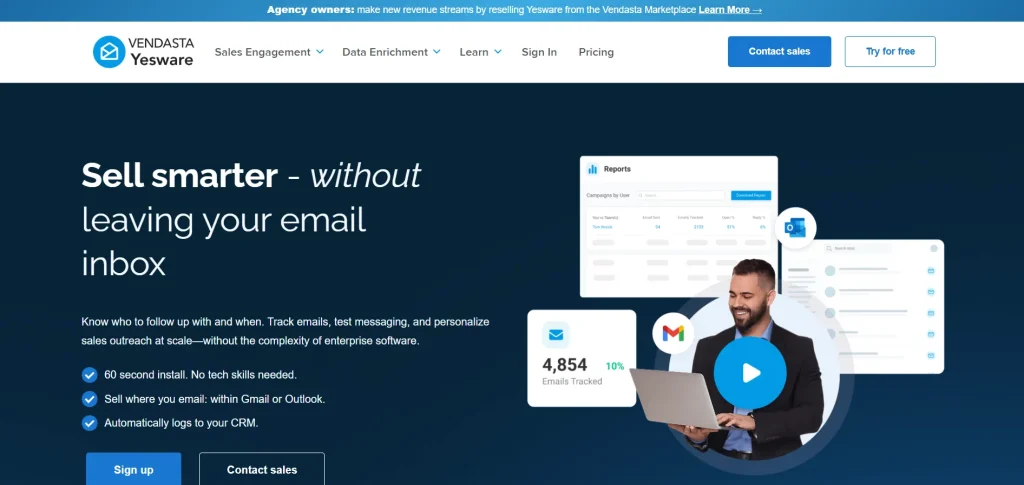
11. Yesware
Best for simple email tracking
Yesware keeps things lightweight and focused on email engagement.
Features
- Email tracking
- Templates
- Basic reporting
Pricing
Affordable plans (typically SMB-focused)
Pros & Cons
Pros: Simple and budget-friendly
Cons: Limited automation
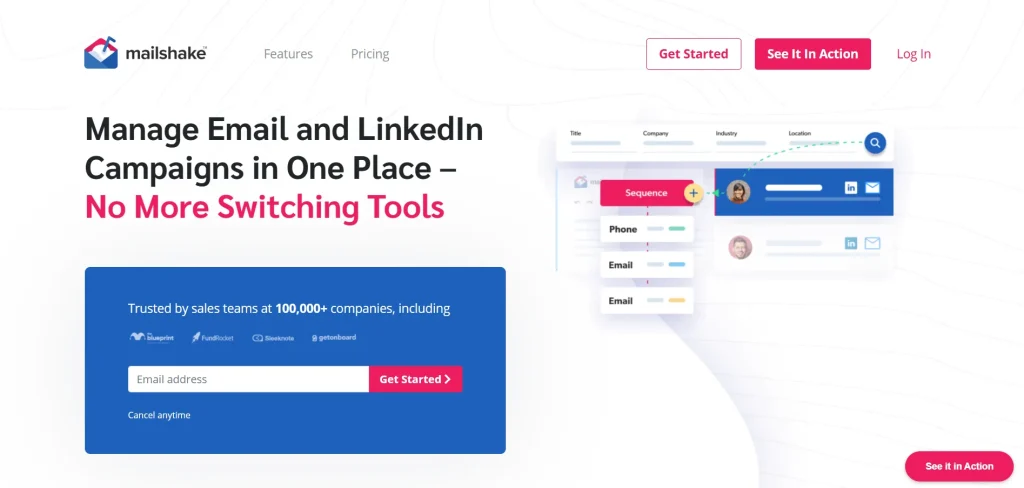
12. Mailshake
Best for cold outreach campaigns
Mailshake is designed for outbound email campaigns and prospecting.
Features
- Email automation
- Campaign tracking
- Lead engagement
Pricing
Starts at $25–$85/user/month
Pros & Cons
Pros: Affordable, easy to launch campaigns
Cons: Basic analytics
13. Reply.io
Best for multichannel automation
Reply.io supports email, calls, and social outreach in one workflow.
Features
- Multi-channel sequences
- AI assistant
- Automation workflows
Pricing
Starts at $49/user/month
Pros & Cons
Pros: Flexible outreach options
Cons: Learning curve for new users
14. Klenty
Best for growing outbound teams
Klenty offers a balance between affordability and automation.
Features
- Cadence automation
- CRM integrations
- Multi-channel outreach
Pricing
Starts at $50/user/month
Pros & Cons
Pros: Cost-effective, good feature set
Cons: Limited enterprise features
15. Close
Best for fast execution
Close is designed for speed and simplicity in sales workflows.
Features
- Built-in calling
- Email automation
- Pipeline tracking
Pricing
Subscription-based (mid-range pricing)
Pros & Cons
Pros: Fast and intuitive
Cons: Limited customization
Best Practices for Improving Sales Engagement Strategy in 2026
Every sales motion has a rhythm. Your sales engagement strategy should follow a clear flow that guides buyers forward, not overwhelm them with noise. The goal is not just more activity, but better-timed and more meaningful interactions.
Let conversations reveal direction
Strong engagement starts with listening. When buyers do most of the talking, patterns begin to surface: pain points, priorities, and hesitation.
These signals shape better follow-ups. They turn generic outreach into informed conversations that actually move deals forward.
Shape messaging around the buyer, not the product
Each stakeholder sees value differently. A finance leader looks for efficiency, while a product leader looks for impact.
When messaging reflects these differences, it lands with more clarity. This reduces friction and speeds up decision-making.
Keep momentum between interactions
Sales cycles slow down when communication pauses. Modern teams avoid this by using async touchpoints, short videos, summaries, or follow-ups that buyers can revisit anytime.
This keeps engagement active without forcing meetings. It allows buyers to move at their pace while staying connected to the conversation.
Treat objections as direction, not resistance
Objections often highlight what matters most to the buyer. Instead of pushing past them, strong teams lean into them.
Each concern becomes a guide for the next step, whether it’s better content, a tailored demo, or a more relevant follow-up.
Align engagement with the buying stage
Not every message fits every moment. Early-stage buyers need clarity, while late-stage buyers need confidence.
When outreach matches the decision stage, conversations feel timely and purposeful. This reduces unnecessary back-and-forth and shortens the path to closing.
Build a system, not just activity
High-performing teams rely on structured systems, not random actions. This includes clear cadences, defined ownership, and integrated tools.
When everything works together, from lead routing to outreach, engagement becomes consistent and scalable.
Focus on quality over volume
More messages do not guarantee better results. Precision matters more than frequency.
Targeted outreach, backed by context and timing, creates stronger engagement than high-volume, generic messaging.
The Best Sales Engagement Strategies Reflect How Buyers Actually Buy
The tools you choose do more than power outreach. They reveal how your team approaches conversations, prioritizes opportunities, and moves deals forward. A strong sales engagement strategy is not just about sending messages, it’s about understanding people.
Every interaction is more than a touchpoint. It reflects how well you understand your buyer’s needs, timing, and decision process. Whether your approach is highly automated or deeply personalized, it ultimately shows how your business views relationships and value.
What does your engagement say about your sales motion? Is it reactive or intentional? Does it guide buyers or overwhelm them? Even without overthinking it, your answers to these questions shape every stage of your pipeline.
The more thoughtfully you build your sales engagement process, from lead routing to outreach to follow-ups, the more clearly your strategy connects with buyers.
The difference comes down to how intentionally engagement is built and executed. Better conversations lead to better outcomes.
And don’t forget to refine your approach every now and then.
See How LeadAngel Can Transform Your Lead Management
Curious to experience the power of LeadAngel firsthand? We understand!
We're offering a complimentary trial so you can explore LeadAngel's features at your own pace. Once you request a free trial, we'll schedule a personalized onboarding session to ensure you maximize the value of LeadAngel.
Ready to take your lead management strategy to the next level? Request your LeadAngel trial today!
In addition to exploring the platform, we recommend visiting our LeadAngel Help Center for in-depth guidance. Our dedicated customer support team is also available to answer any questions you may have at sales@leadangel.com.
FAQs
A sales engagement strategy is the way teams plan and manage interactions with buyers across the entire journey. It shapes when to reach out, how to communicate, and what message to deliver. At its core, it brings structure to conversations so every touchpoint feels intentional, not random.
Sales engagement platforms bring communication, data, and workflows into one system. They connect with CRM, trigger sequences, and track every interaction. Instead of scattered efforts, engagement becomes coordinated. Every action builds on the last one.
The right platform fits how your team actually sells. It should align with your process, not force a new one. Look for strong CRM integration, flexible workflows, and clear visibility into performance. The goal is not more features, but better execution.
Improvement starts with clarity. Understand what is working and where engagement drops. Refine timing, personalize messaging, and align outreach with the buyer’s stage. Small adjustments in consistency and relevance often create the biggest impact.
Sales engagement in Salesforce is enabled through its Sales Engagement tools and integrations. It connects tasks, sequences, and communication directly within CRM. This allows reps to manage outreach without leaving the system.
There is no single best platform for every team. The right choice depends on your size, process, and goals. Some teams need advanced automation. Others need simplicity and speed. The best platform is the one that fits your workflow and improves execution.
A CRM stores and organizes customer data. A sales engagement platform acts on that data. CRM shows what is happening. Sales engagement drives what happens next.
Focus on what supports real execution. Strong automation, multi-channel outreach, and clear reporting matter most. Also look for clean data flow and integration. The software should make engagement easier, not more complex.

